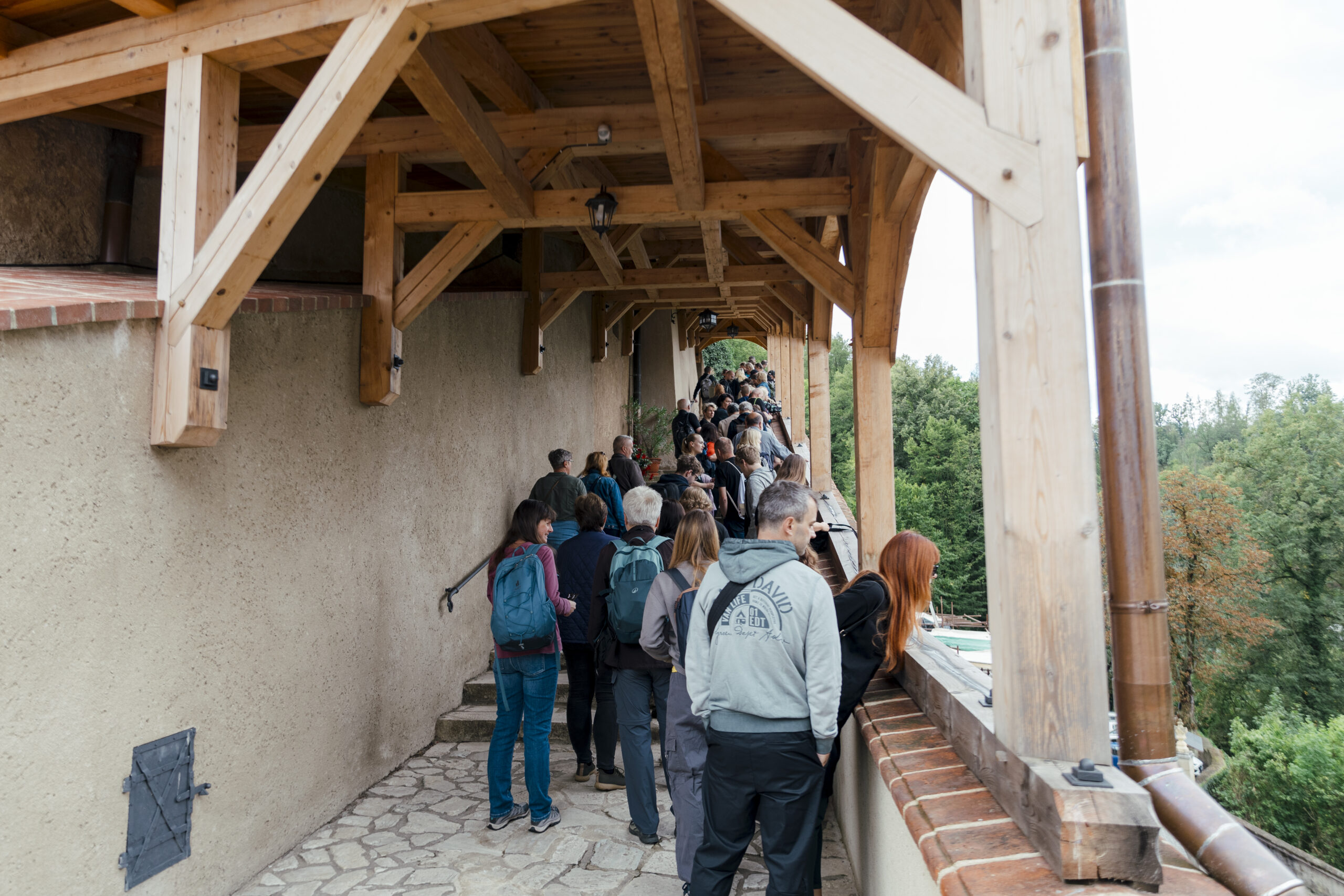
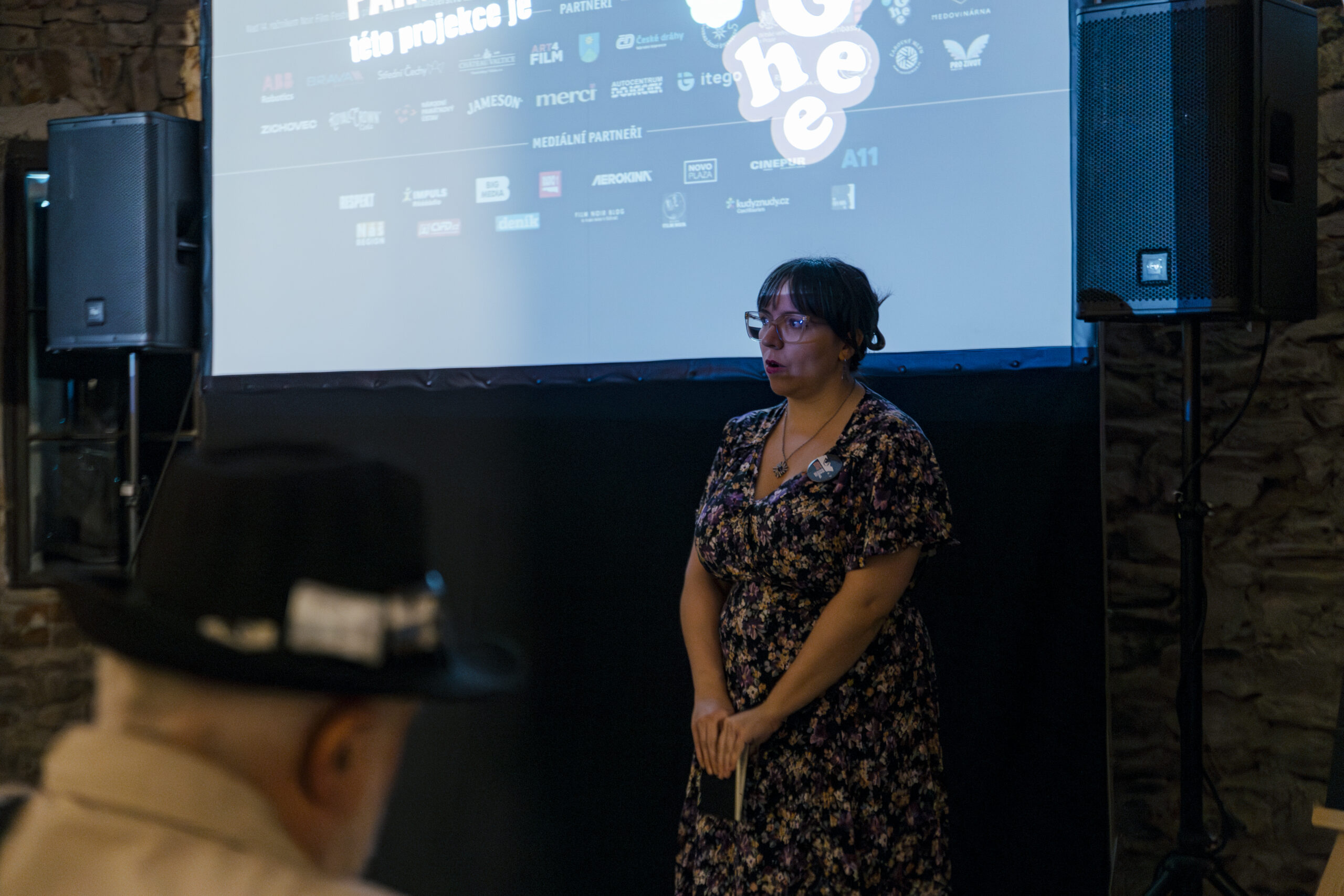
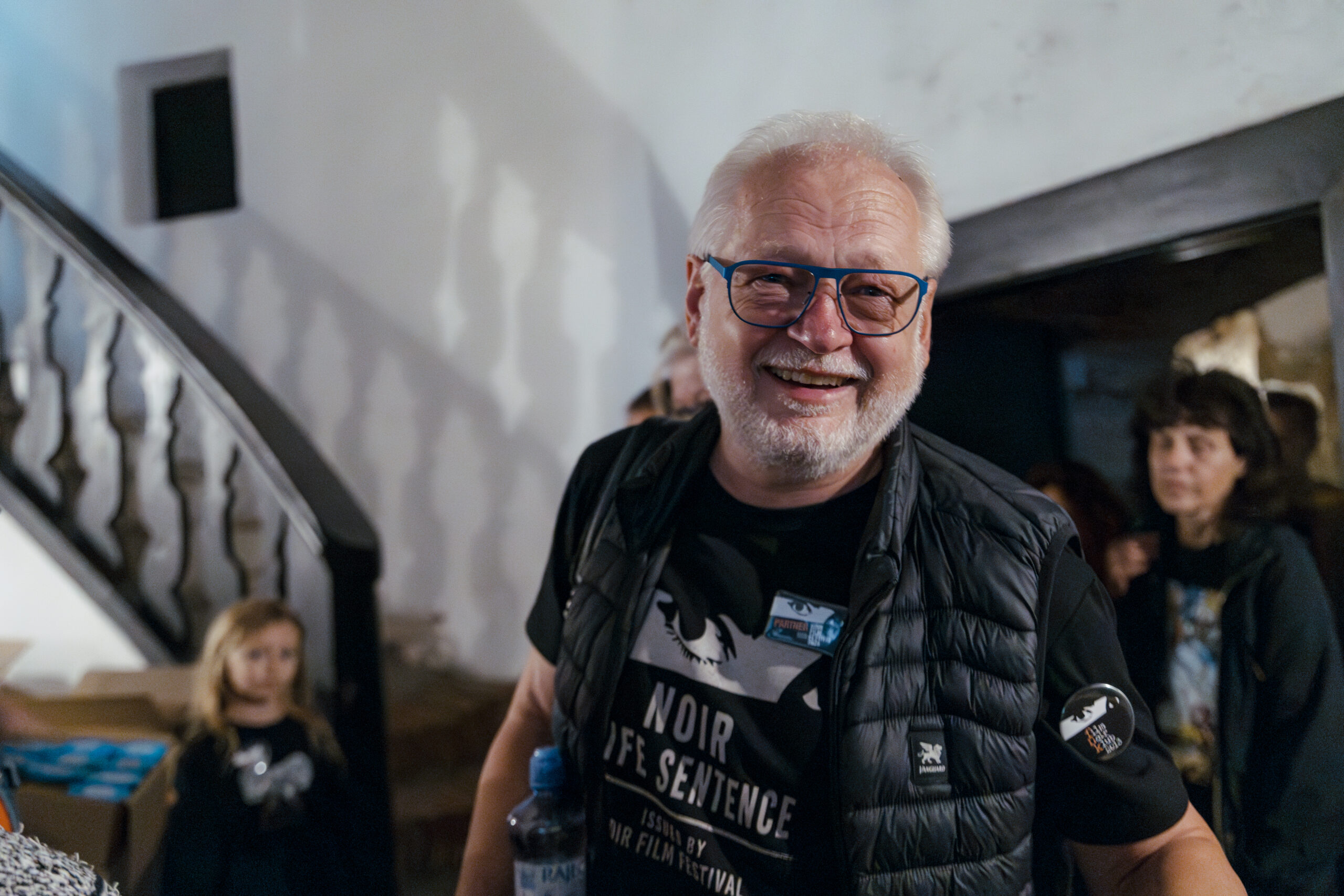
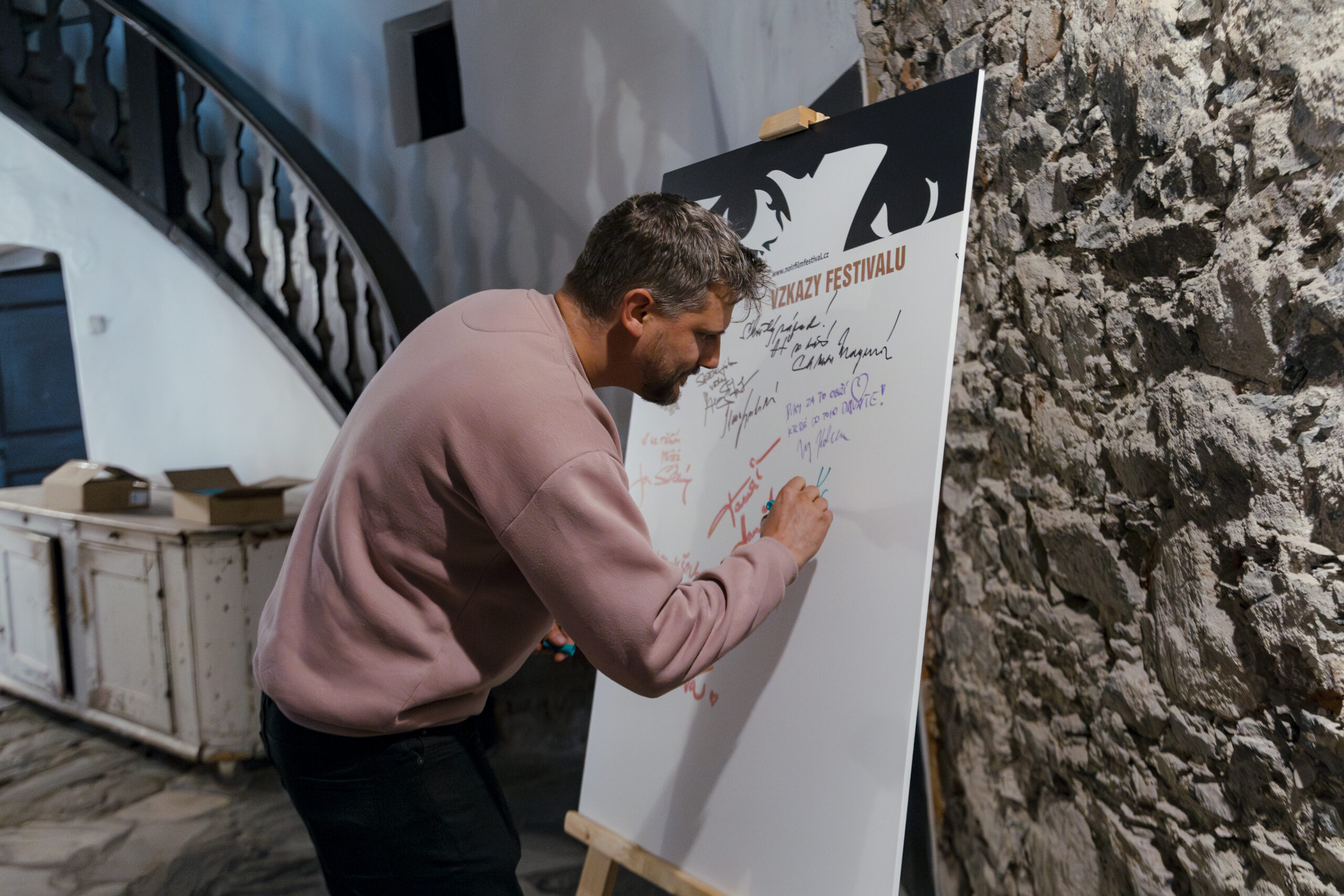
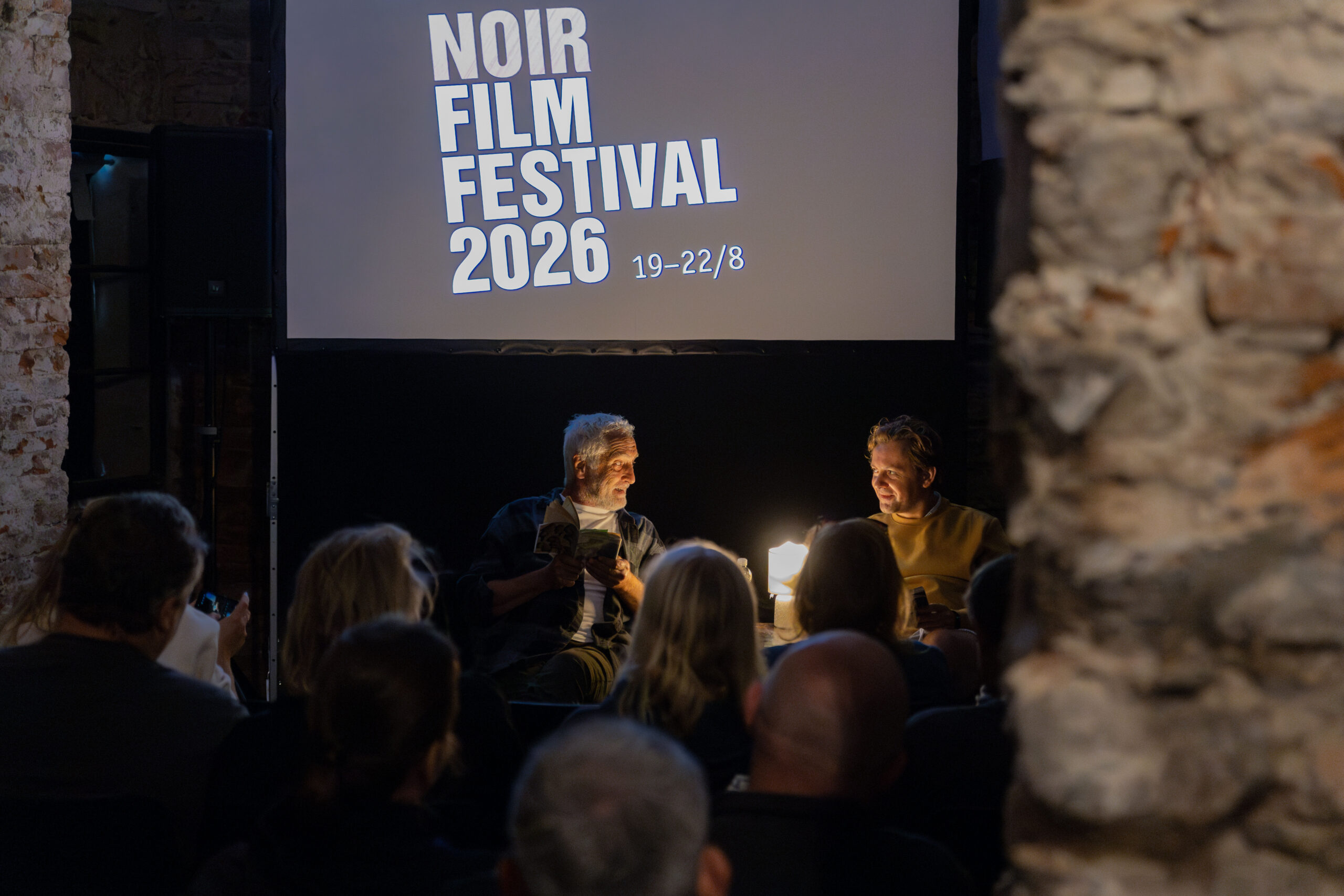
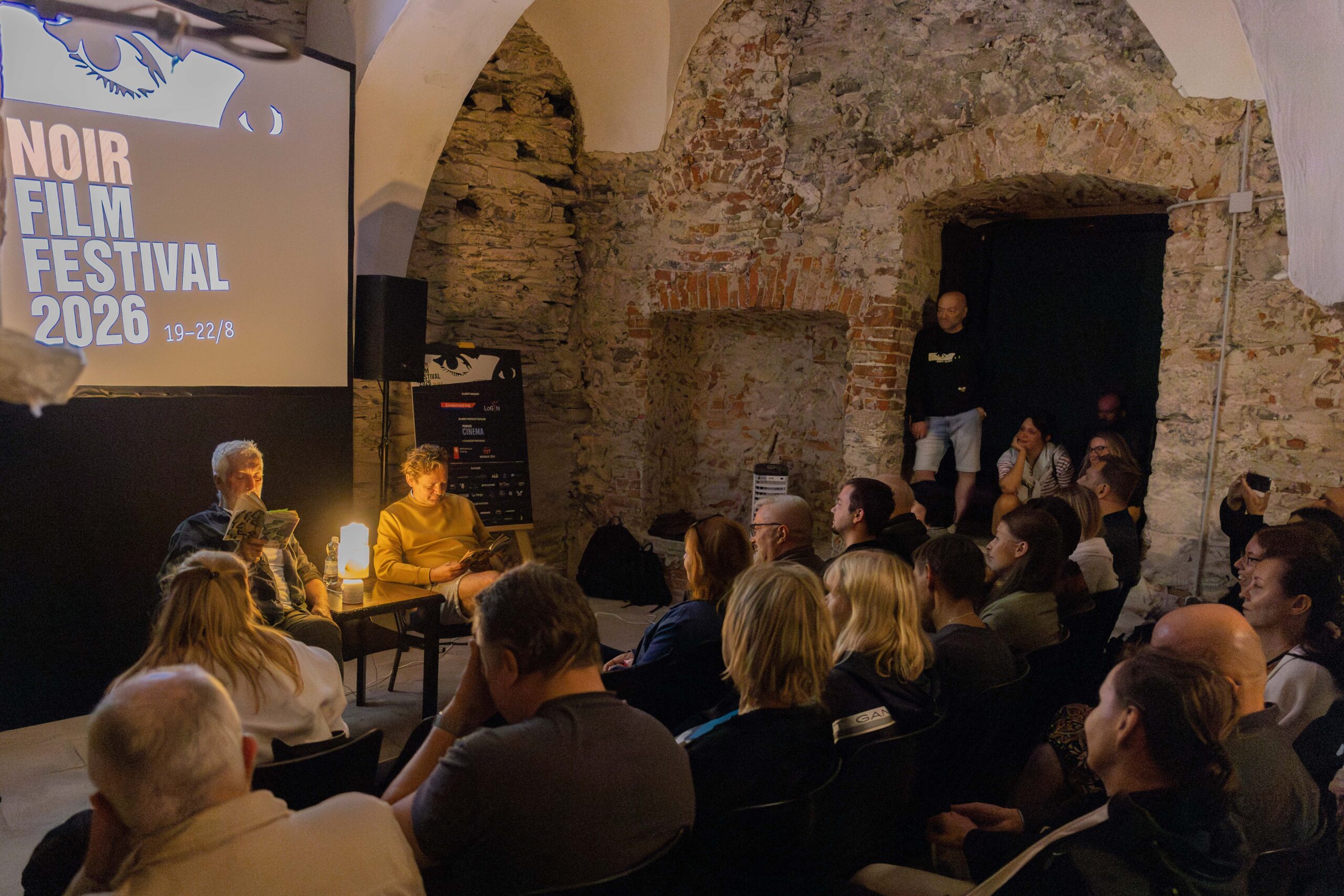
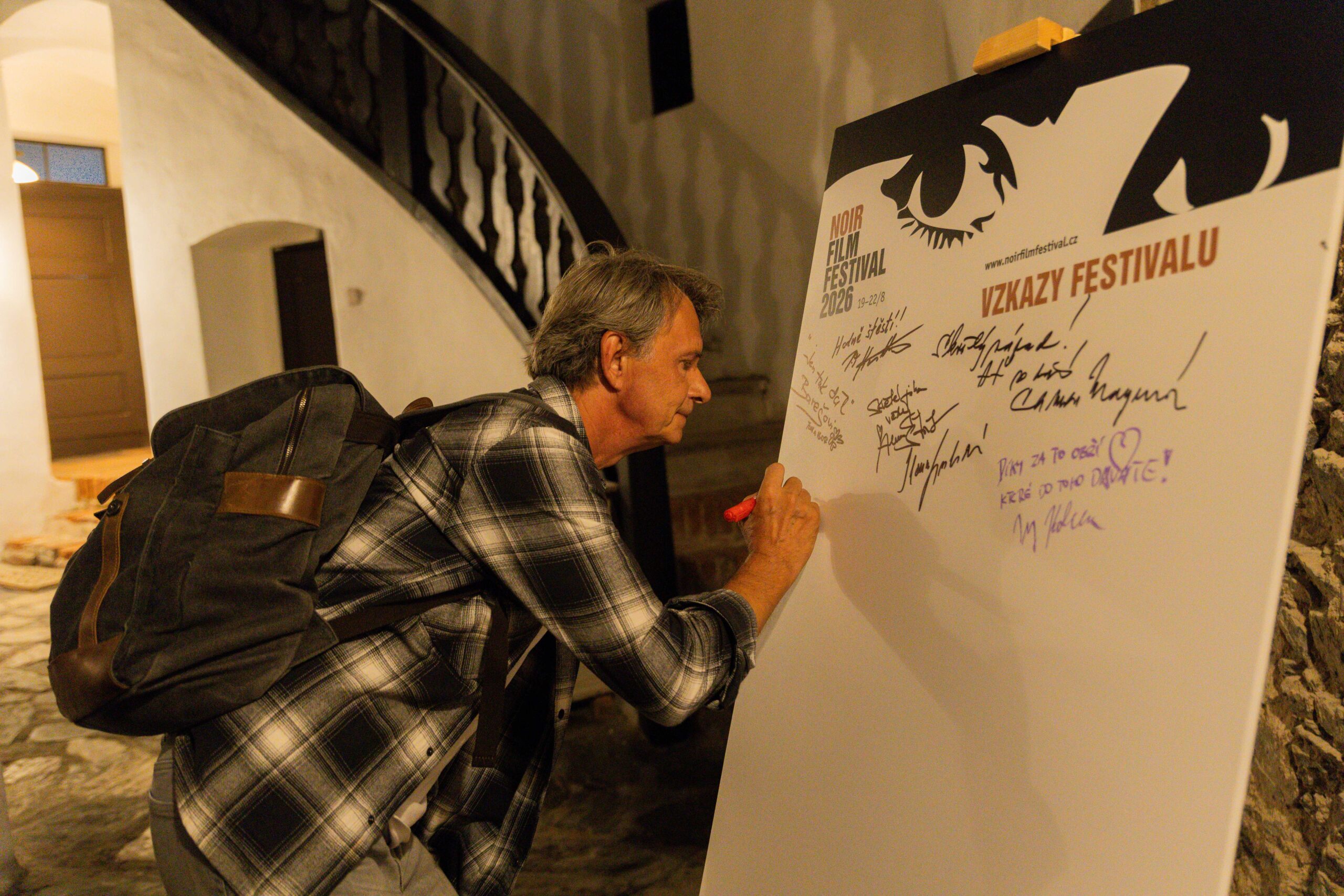
Last night, we opened ticket reservations for individual screenings to those of you who don’t have accreditation for this year’s festival. The castle halls at Český Šternberk are filling up—there’s no time to waste :)! The reservation system can be found here!
This edition’s Czechoslovak noir program section offers several true delicacies with larger emphasis on the psychology of characters and relationships. You can especially look forward to Karel Kachyňa’s film Christmas with Elizabeth (1968), DVD of which will be launched during the festival. The film presents a sensitively depicted relationship of two incompatible people, set against an almost naturalistic backdrop of (not only) Czechoslovak countryside. We will then visit a starkly different environment in a film few years older than Christmas, Blizzard (1962), boasting a star-studded cast including for example Vladimír Menšík and Slávka Budínová. Its setting in winter Krkonoše will present a welcome distraction from the no doubt intense August temperatures. On the contrary, Shadows of a Hot Summer by František Vláčil (1977) will be in line with them. The film presents one of the most interesting pieces not only in the career of the director but also the titular actor Juraj Kukura. This taciturn, psychologically tense probe into post-war Beskydy countryside unceremoniously confronts the viewer with the question “what would you do in this situation?”. This and more will be offered by this year’s local noir selection. The psychological line will be continued in the almost Rashomon-like TV film Seven Witnesses (1967), and the dark crooked alleys and Hana Vítová in Sign of the Anchor (1947) will bring a tinge of the supernatural into the section. This year’s selection of local noir is truly colorful; don’t miss it! (bk)
Letošní sekce věnovaná československému filmu noir nabídne několik skutečných lahůdek, s intenzivním zaměřením na psychologizaci postav a vztahů. Těšit se můžete především na snímek Karla Kachyni, Vánoce s Alžbětou (1968), jehož DVD bude na festivale zároveň slavnostně pokřtěno. Film představuje citlivý obraz vztahu dvou nesourodých lidí, zasazený v téměř naturalistických kulisách československého (nejen) venkova. Do zcela jiného prostředí zavítáme v o pár let starším snímku Vánice (1962), který se pyšní hvězdným obsazením zahrnujícím například Vladimíra Menšíka nebo Slávku Budínovou, a svým zasazením do zimních Krkonoš poskytne vítané rozptýlení od nepochybně intenzivních srpnových teplot. Naopak souhru s nimi budou představovat Stíny horkého léta Františka Vláčila (1977), který představuje jeden z nejzajímavějších počinů v kariéře nejen samotného režiséra, ale také představitele titulní postavy Juraje Kukury. Málomluvná, psychologicky napjatá sonda do těsně poválečného beskydského venkova nevybíravě konfrontuje diváka s otázkou „jak byste se v této situaci zachovali vy?“. V psychologické linii pak bude pokračovat téměř rašomonovský televizní snímek Sedem svedkov (1967), a lehký nadpřirozený nádech do sekce přinesou křivolaké potemnělé uličky a Hana Vítová ve filmu Znamení kotvy (1947). Letošní výběr lokálního noiru je skutečně pestrý; nepropásněte ho! (bk)
Audrey Totter: „Cože?! Program 14. ročníku Noiru už je venku??“
„Dáma v jezeře“ už své místo na festivalu má. A co Vy? Neváhejte a vrhněte se na vstupenky! Kompletní program najdete zde.
Audrey Totter: „What?! The program of the 14th edition of Noir Film Festival is already out??“
„The Lady in the Lake“ already found her spot at the festival. How about you? Don’t hesitate and get those tickets! The complete program is available here.
This year’s tributes are dedicated to two actors who had little in common. Welsh-born Ray Milland (1907–1986) enjoyed a career spanning several decades, marked by many twists and turns. In the late 1930s and early 1940s, he made a name for himself in Hollywood as a charming leading man in romantic comedies and adventure films, but with the advent of film noir, his image underwent a dramatic transformation. He won an Oscar for his evocative portrayal of an alcoholic in The Lost Weekend (1945), and other dark films such as Ministry of Fear (1944), The Big Clock (1948), and The Thief (1952) also provided him with interesting opportunities. We’ll revisit this phase of his creative development with the lesser-known mystery noir Alias Nick Beal (1949), in which Milland played none other than the devil himself. Later, the charismatic actor made his mark in horror, sci-fi, and action films, while also appearing regularly on television. He died at the age of 79; his wife, Muriel Frances Weber, with whom he had been married for more than fifty years, survived him by six years.
Unfortunately, actress Cathy O’Donnell (1923–1970) did not live to see such a ripe age. After turning forty, she fought a long battle with cancer, which she ultimately succumbed to in 1970. She was born Ann Steely in Alabama to the family of a small local movie theater owner. During her studies, she began acting in theater and, as the heroine of her favorite film A Star Is Born (1937), dreamed of a career in Hollywood. Her dream began to come true when she was noticed by an agent working for the legendary producer Samuel Goldwyn. She had her first major role in Goldwyn’s big-budget, Oscar-winning film The Best Years of Our Lives (1946), where audiences could already recognize her under the stage name Cathy O’Donnell. She also made a strong impression alongside another young star of the late 1940s, Farley Granger, in Nicholas Ray’s directorial debut They Live by Night (1949). At the NFF 2026, we will screen Side Street (1950) by another noir master, Anthony Mann, in which O’Donnell and Granger appeared together again as a young married couple facing existential struggles. Throughout the 1950s, O’Donnell appeared alternately in film and television: her last appearance on the big screen was in 1959 in the biblical epic Ben-Hur, and on television five years later in the fifth season of the Western series Bonanza. (mh)
Letošní pocty jsou věnovány dvěma hereckým osobnostem, které toho spolu neměly příliš společného. Rodák z Walesu Ray Milland (1907–1986) se dočkal několik dekád dlouhé kariéry poznamenané mnoha zvraty. Na přelomu 30. a 40. let se v Hollywoodu profiloval jako šarmantní sympaťák v romantických komediích a dobrodružných filmech, ale s nástupem filmu noir prošel jeho obraz razantní proměnou. Za sugestivní ztvárnění alkoholika ve Ztraceném víkendu (1945) dostal Oscara a zajímavé příležitosti mu poskytly i další temné filmy jako Ministerstvo strachu (1944), Velké hodiny (1948) a The Thief (1952). Tuto fázi jeho tvůrčího vývoje připomeneme méně známým mysteriózním noirem Alias Nick Beal (1949), kde si Milland nezahrál nikoho jiného než ďábla. Později se charismatický herec uplatnil v hororu, sci-fi i akčních filmech a vedle toho pravidelně působil v televizi. Zemřel ve věku nedožitých 80 let; manželka Muriel Frances Weber, se kterou tvořili pár více než padesát let, jej o šest roků přežila.
Herečka Cathy O’Donnell (1923–1970) se bohužel tak vysokého věku nedožila. Po čtyřicítce vedla dlouhý boj s rakovinou, které nakonec v roce 1970 podlehla. Narodila se jako Ann Steely v Alabamě do rodiny majitele malého lokálního kina. Během studií začala hrát v divadle a jako hrdinka oblíbeného filmu Zrodila se hvězda (1937) snila o kariéře v Hollywoodu. Sen se začal měnit ve skutečnost, když si jí všiml agent pracující pro legendárního producenta Samuela Goldwyna. První výraznější roli měla v jeho velkolepém, Oscary ověnčeném filmu Nejlepší léta našeho života (1946), kde ji již diváci mohli poznat pod uměleckým jménem Cathy O’Donnell. Velmi zaujala také ve dvojici s dalším mladým objevem konce 40. let, Farleym Grangerem, v režijním debutu Nicholase Raye Žijí v noci (1949). Na NFF 2026 uvedeme film Postranní ulice (1950) od dalšího noirového klasika Anthonyho Manna, kde se O’Donnell a Granger objevili opět pospolu jako mladí manželé v existenčních problémech. O’Donnell se po celá 50. léta objevovala střídavě ve filmu a televizi: na plátně se naposledy ukázala v roce 1959 v biblickém velkofilmu Ben Hur, na televizní obrazovce to bylo o pět let později v páté řadě westernového seriálu Bonanza. (mh)
Characters in film noir are often on the move. They travel by car (their own, a rental, or a stolen one), train, bus, and plane, or they simply walk. They’re on the trail of criminals, looking for work, searching for love, returning to the places of their youth, or fleeing from the law. In some cases, traveling from point A to point B is even their livelihood. The section titled Trucker Noir will focus specifically on films in which the noir protagonists are professional drivers and their workplace is a truck cab. But driving these motorized giants is no picnic; on the contrary, in each of the selected films, it involves a great deal of adventure and life-threatening situations. They Drive by Night (1940), directed by Raoul Walsh, belongs to the canon of classic Warner Bros. noir films and features, among other things, an attractive cast led by George Raft, Humphrey Bogart, Ann Sheridan, and Ida Lupino. The French film The Wages of Fear (1953) offers an adrenaline-fueled ride through the South American mountains that, thanks to Henri-Georges Clouzot’s thrilling direction, will leave no one unmoved. And Hell Drivers (1957) is no slouch either, vividly depicting the macho microcosm of a transport company in industrial England. As is customary, two more films are still waiting to be revealed. (mh)
Postavy ve filmu noir jsou často v pohybu. Cestují autem (vlastním, vypůjčeným nebo kradeným), vlakem, autobusem a letadlem nebo chodí po svých. Jsou na stopě zločincům, shánějí práci, hledají lásku, vrací se do míst svého mládí nebo utíkají před zákonem. V některých případech je cestování z bodu A do bodu B dokonce jejich obživou. Sekce nazvaná truckerský noir se zaměří právě na filmy, v nichž jsou noiroví protagonisté profesionálními řidiči a jejich pracovním prostorem je kabina náklaďáku. Řídit motorové obry ale není žádná selanka, naopak: v každém z vybraných filmů to obnáší velkou dávku dobrodružství a životu nebezpečných situací. Jezdci noci (1940) režiséra Raoula Walshe patří do kánonu klasických noirů studia Warner Bros. a lákají mimo jiné na atraktivní obsazení v čele se čtveřicí George Raft, Humphrey Bogart, Ann Sheridan a Ida Lupino. Francouzská Mzda strachu (1953) nabízí adrenalinovou jízdu jihoamerickými horami, která díky vzrušující režii Henriho-Georgese Clouzota nenechá nikoho v klidu. A pozadu nezůstanou ani Prodané životy (1957), které sugestivně vykreslují machistický mikrokosmos přepravní společnosti v industriální části Anglie. Jak je zvykem, další dva filmy ještě cekají na odhalení. (mh)